 English
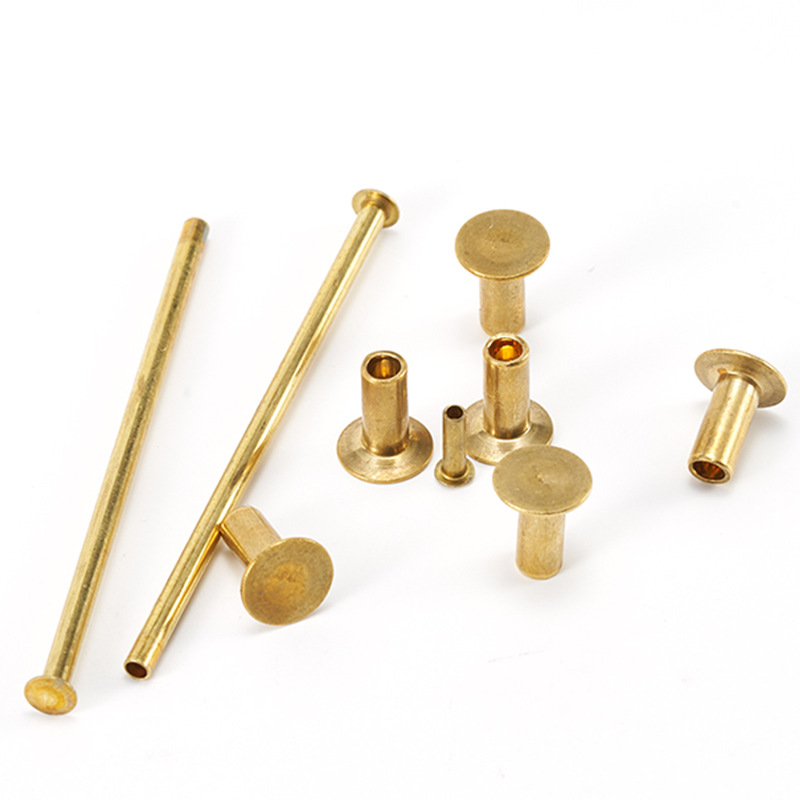
Step rivets are a common type of connector widely used in various mechanical equipment and structures. Its design and use are crucial for ensuring the stability and reliability of the connection. This article will introduce the design principles, material selection, and application precautions of step rivets to help readers better understand and apply step rivets.
design principle
The design of step rivets is based on the principle of riveting, which involves placing one end of the rivet inside the workpiece and applying force on the other end to compress the workpiece, allowing the rivet to connect the workpiece through deformation and expansion. Step rivets are more stable in design compared to traditional rivets and can withstand greater tensile and shear forces.
Material selection
Step rivets are usually made of high-strength steel materials such as carbon steel, stainless steel, etc. When selecting materials, it is necessary to consider the characteristics of the workpiece and environmental conditions to ensure that the step rivets have sufficient strength and corrosion resistance.
Design points
The following are the key points to note when designing step rivets:
Rivet diameter: The rivet diameter should be determined according to the requirements and stress conditions of the workpiece. A diameter that is too large or too small can affect the stability of the connection.
Step design: The design of steps should conform to the geometric shape and connection requirements of the workpiece, and common designs include single step and multi step forms.
Rivet length: The rivet length should ensure sufficient penetration depth to ensure the firmness of the connection.
Rivet head shape: The shape of the rivet head should match the hole shape of the workpiece to ensure a good connection.
Application precautions
When using step rivets, the following precautions should be taken:
Preparation before riveting: Clean the surface of the workpiece to ensure that there are no impurities such as oil and dust, in order to improve the quality of riveting.
Control during riveting process: Control the riveting force and time to avoid excessive or insufficient compression of the workpiece, so as not to affect the quality of the connection.
Environmental temperature and humidity: In high temperature or humid environments, it may affect the performance and connection quality of rivet materials, and corresponding considerations and protective measures need to be taken.
Step rivets, as a common type of connector, play an important role in mechanical design and structural connections. Through reasonable design and correct application, step rivets can ensure the stability and reliability of the connection. I hope the introduction in this article can help readers better understand and apply step rivets.


 客服
客服