 English
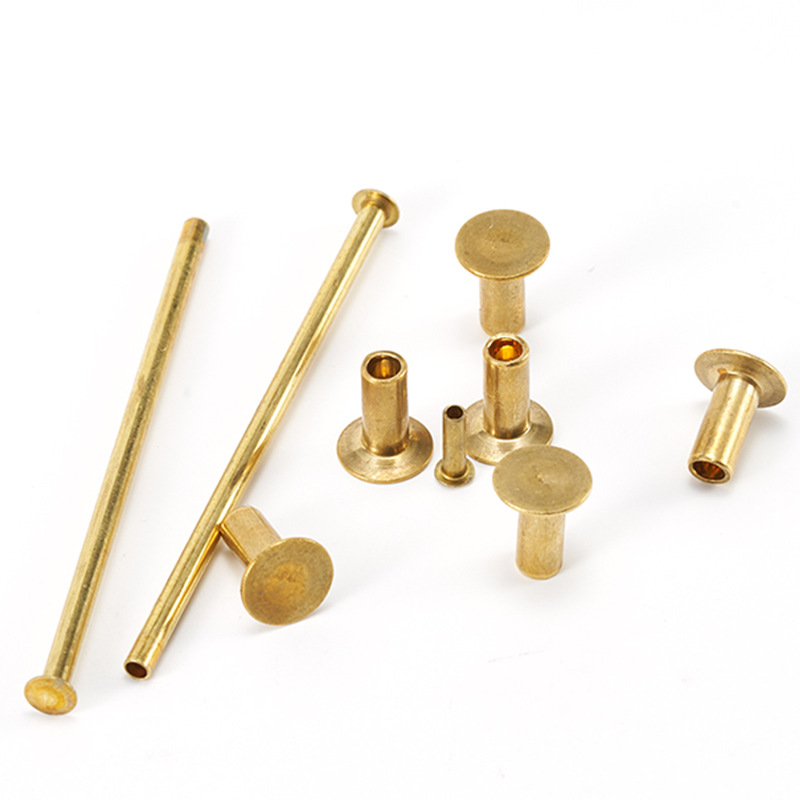
The strength and hardness of stainless steel rivets are two important performance indicators for their use as connectors. The strength of stainless steel rivets mainly includes two aspects: tensile strength and shear strength, while hardness mainly depends on the material and heat treatment method of stainless steel rivets.
The tensile strength of stainless steel rivets usually refers to their maximum load-bearing capacity at which they can fail under tension. The tensile strength of stainless steel rivets is mainly influenced by their materials. In general, the tensile strength of stainless steel rivets is proportional to the tensile strength of their materials, that is, the higher the material strength, the higher the tensile strength of stainless steel rivets. The shear strength of stainless steel rivets usually refers to their maximum load-bearing capacity that can be damaged when subjected to shear forces. The shear strength of stainless steel rivets is influenced by their materials. Generally, the shear strength of stainless steel rivets is proportional to the shear strength of their materials, meaning that the higher the material strength, the higher the shear strength of stainless steel rivets.
The hardness of stainless steel rivets usually refers to their ability to resist deformation when subjected to external forces. The hardness of stainless steel rivets mainly depends on their material and heat treatment method. In general, the higher the hardness of stainless steel rivets, the better their wear resistance and scratch resistance. By appropriate heat treatment methods, the hardness of stainless steel rivets can be increased, improving their service life and performance.
In summary, the strength and hardness of stainless steel rivets are two important performance indicators for their use as connectors. The strength of stainless steel rivets is mainly influenced by the material, while the hardness depends on its material and heat treatment method.


 客服
客服