 English
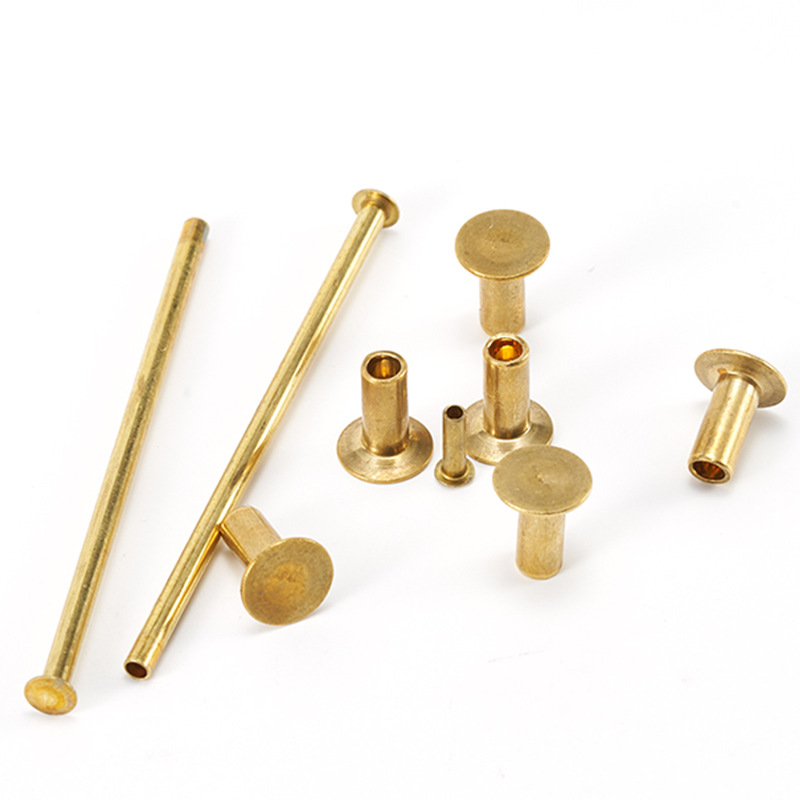
Step rivets are a common type of connector with a wide range of applications in different materials. However, in the manufacturing of step rivets, the problem of R-angle is often encountered. This article will explore whether the R-angle of step rivets is normal and discuss the selection for different requirements.
What is R-angle?
R-angle refers to the rounded corners at the edges of connectors or other objects. When manufacturing step rivets, the R-angle is achieved through cutting or processing. The size and shape of the R angle may vary due to manufacturing processes and design requirements.
Is the R-angle of the step rivet normal?
There are some common R-angle specifications when manufacturing step rivets. In general, the R-angle of step rivets between 0.5mm and 1.5mm is considered normal. However, the specific size of the R-angle will be affected by the requirements of the manufacturer and the customer. Some customers may prefer smaller R-angles to enhance the aesthetic appearance of the product, while others prefer larger R-angles to improve the strength and durability of the connectors.
Choose suitable step rivets
When selecting step rivets, it is necessary to consider whether the size and shape of the R-angle match the specific requirements of the project. Here are some suggestions:
Aesthetic appearance: If aesthetic appearance is crucial for the project, you can choose step rivets with smaller R-angles. A smaller R-angle can provide a smoother appearance, making the connector more coordinated with the surrounding materials.
Strength and durability: If strength and durability are the primary considerations, step rivets with larger R-angles can be chosen. A larger R-angle can improve the strength and durability of the connector, making it suitable for applications that can withstand large loads or high strength.
Customer requirements: Select step rivets that are suitable for specific customer needs. When communicating with clients, ensure a clear understanding of their preferences for R-angle size and shape, and provide corresponding solutions based on their requirements.
The size and shape of the R-angle of the step rivet can vary according to the requirements of the manufacturer and customer. When choosing step rivets, it is necessary to consider the specific requirements of the project, including appearance aesthetics, strength, and durability. Through communication with manufacturers and customers, suitable step rivets can be selected according to their needs. I hope this article is helpful for readers to understand the R-angle problem of step rivets and make wise decisions when choosing.


 客服
客服